Mastering the Texas Hold'em Dealer Position

Intro
Texas Hold'em poker is not merely a game of chance; it embodies a complex dance of strategy, psychology, and keen observation. As players settle down around the felt, the arrangement of the table and the dealer's position becomes central to the entire experience. Understanding how these elements interact is akin to deciphering a hidden map that guides your journey to becoming a successful player.
In this article, we'll delve into the professional nuances of the Texas Hold'em table, spotlighting the pivotal role of the dealer. By grasping the layout and dynamics, players can better navigate the often turbulent waters of high-stakes betting and strategy. It isn't just a matter of cards and chips; it’s the interplay of position, betting norms, and the subtle psychological games that unfold between players.
The dealer position serves as a critical cornerstone upon which many strategies are built. Those who ignore this aspect might find themselves off-kilter, while those who embrace it can establish a tactical advantage. We will also touch on essential table etiquette that not only enhances the gaming experience but solidifies your standing in the poker community.
As we explore these vital topics, expect a thorough breakdown of strategies, advanced betting tactics, and effective bankroll management tips. So, whether you’re rejuvenating your game or looking to sharpen your existing skills, let’s navigate the intricacies of the Texas Hold'em poker table together.
Prelims to Professional Poker Tables
When diving into the world of poker, understanding the architecture of the professional Texas Hold'em table is not just a matter of aesthetics. It's a fundamental pillar that supports the entire gameplay experience. The layout and design of a poker table can significantly influence game dynamics, player interaction, and even the psychological atmosphere that envelops the session.
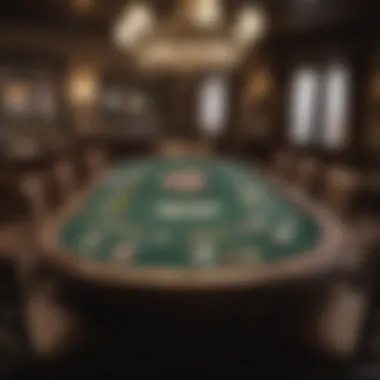
A professional poker table is carefully constructed to accommodate players and the dealer in a way that fosters engagement and strategic decision-making. One major aspect to consider is the table layout. Typically, a standard Texas Hold'em table has a semi-circular shape, providing ample space for players to gather around while ensuring that everyone can easily see the community cards being dealt in the center. This positioning not only promotes interaction but also gives each participant equal visibility of the action, leveling the playing field and enhancing the competitive spirit.
Key Elements of Professional Poker Tables
- Design and Material Considerations
The materials used can range from luxurious felt to more durable surfaces, each impacting the tactile experience of players as they handle chips and cards. - Strategic Seating Arrangements
The seating around the table is designed to optimize player positions, making it easier to implement various strategies based on the proximity to the dealer.
Why This Matters
The importance of the professional poker table lies not only in its design but also in the strategic advantages it can provide. A better understanding of how the table is structured can furnish players with insights into how to position themselves effectively. Poker is often described as a game of information. By grasping the significance of the table layout, players can make informed decisions during gameplay.
In summary, the professional Texas Hold'em poker table functions as more than just a venue for playing cards; it is an integral part of the game itself. Knowledge of its composition and structure can tremendously enhance a player’s approach and mindset, leading to more informed decisions and potentially greater success at the felt.
"The poker table is where strategy meets psychology; understanding its intricacies can change the game for any serious player."
Arming yourself with insights into the professional poker table sets the stage for a deep dive into the multifaceted roles and responsibilities at play. With this understanding, we can now venture into the specifics of the Texas Hold'em playing field.
Defining the Texas Hold'em Playing Field
In the world of Texas Hold'em, the layout of the playing field sets the stage for the entire game. Understanding the structure and dynamics of the poker table offers insights not just into how the game is played, but also how it is perceived by players. Since Texas Hold'em is a social and strategic game, the configuration of the playing area plays a crucial role in shaping player interactions and tactics.
One of the main elements to consider is the standard table layout. Unlike casual poker games, professional environments tend to feature specifically designed tables, padded and often circular or oval in shape, allowing for maximum comfort and visibility. Every player at the table needs to have equal access to the dealer and community cards, minimizing distractions and potential blind spots in gameplay.
Standard Table Layout
The standard layout of a Texas Hold'em table usually accommodates anywhere from two to ten players. Each player has a designated space that typically includes:
- A position to place chips: There’s generally a dedicated area for each player’s stack of chips to keep things neat and organized.
- A spot for hole cards: This ensures that players can handle their cards discreetly, safeguarding their strategy from opponents' prying eyes.
- Clear sight lines: Tables are designed to prevent any obstruction, allowing a clear view of community cards and the dealer.
Sometimes, you might notice additional markings for bet amounts or special indicators such as the 'Button' position. This aspect can’t be overstated—the layout helps define how players position themselves emotionally and mentally throughout the game.
Material and Design Considerations
The materials used for professional poker tables aren’t merely aesthetic choices. Instead, they are crucial for durability and gameplay experience. Most tables are constructed with wooden frames and felt surfaces to ensure smooth dealing and easy chip movement. Felt also helps in muffling noises from chips clacking, allowing players to focus on strategy rather than distractions.
In terms of design, many tables feature embellishments like raised edges to contain chips better and prevent accidental spills. These features provide a balance between functionality and visual appeal, making the game feel more upscale and professional.
Seating Arrangements and Their Significance
Seating arrangement is not just a matter of comfort; it’s intertwined with competitive strategy. Each position at the table comes with its advantages and nuances, often termed as 'early', 'middle', or 'late' positions.
- Early Position: Usually more challenging, requiring players to be selective due to limited information on opponents' actions.
- Late Position: Offers the player more strategic flexibility, having observed other players' behaviors.
In many cases, the table etiquette and relationships that form around seating can affect gameplay significantly. Players may bond over their chosen spots, leading to varying levels of aggression or caution based on position. Understanding these dynamics can help players adapt and refine their strategies as they progress through the game.
"In poker, as in life, it's not just the cards you hold, but how you play them that really counts."
Ultimately, defining the Texas Hold'em playing field is a multifaceted endeavor. From the standard layout to materials and seating significance, all these elements significantly impact player interactions, strategies, and ultimately, the game's overall experience.
The Role of the Dealer in Texas Hold'em
In the world of Texas Hold'em, the dealer is more than just a facilitator of the game; they are a pivotal figure who sets the stage for the entire gambling experience. The dealer's role encompasses various aspects that influence gameplay, player interaction, and the overall flow of the game. A good dealer ensures that the game runs smoothly while maintaining the integrity of the game and creating a fair environment for all participants.
The position of the dealer not only holds logistical importance but also carries significant strategic weight. The decisions made, the pace set, and the interactions fostered all have downstream effects on player behavior and betting patterns. Understanding the intricacies of a dealer's role is crucial for players who aim to refine their skills and strategies at the poker table.
Responsibilities of the Dealer
The responsibilities of the dealer are multifaceted and require a keen understanding of the game's rules, as well as the ability to manage the table effectively. Here are some key duties that outline what a dealer does:
- Shuffling and Dealing Cards: At the start of each hand, the dealer shuffles the cards thoroughly and ensures that the distribution is as fair as can be. This includes giving each player two hole cards and placing community cards on the table.
- Managing Betting Rounds: The dealer oversees the progression of betting rounds, calling for bets and raises, and managing the pot size. They make sure that all bets are clear and adhere to the rules of the game.
- Handling Player Interactions: A dealer often acts as a mediator between players, assisting with disputes or clarifications about rules. They maintain a friendly demeanor to ensure that the game remains enjoyable.
- Collecting and Paying Out Chips: The dealer is tasked with managing the chips at the table, collecting losing bets, and distributing winnings. This requires accuracy and attention to detail to avoid disputes.
- Maintaining the Game's Pace: It's essential for a dealer to keep the game moving efficiently. They should handle their duties without unnecessary delays, as a slow game can lead to frustration among players.
By performing these responsibilities adeptly, dealers uphold the integrity of the game while creating an engaging atmosphere for players of all skill levels.
Skills Required for Effective Dealing
The skills that contribute to effective dealing are often overlooked, yet they play a vital role in the ambiance and flow of a poker game. A competent dealer possesses a unique blend of technical capabilities and interpersonal qualities that enhance the gaming experience. Here's a look at some essential skills:
- Knowledge of Poker Rules: An in-depth understanding of the rules and nuances of Texas Hold'em is non-negotiable. This knowledge allows dealers to enforce rules correctly and make quick decisions.
- Hand-Eye Coordination: Dealing cards and managing chips demands excellent hand-eye coordination. A skilled dealer can shuffle and deal cards with precision, often without looking.
- Strong Communication Skills: Interaction with players is a significant part of a dealer's job. Clear and concise communication helps to prevent misunderstandings and keeps the game flowing smoothly.
- Problem-Solving Abilities: Dealers often encounter situations that require quick thinking. They must assess disputes or irregularities during the game, applying rules fairly without any hesitation.
- People Skills: A dealer's ability to connect with players goes a long way. Strong interpersonal skills create a lively atmosphere and enhance player engagement—a crucial aspect of a successful poker night.
In essence, the role of the dealer in Texas Hold'em extends beyond mere card management. It encompasses the essence of the game, guiding players through their experience while maintaining order and encouraging fair play.
Strategic Importance of Dealer Position
In Texas Hold'em, the dealer position carries immense weight, affecting not only the strategic flow of the game but also the psychology behind each player’s decisions. Understanding where one sits in relation to the dealer can either be an advantage or a disadvantage. As the game unfolds, recognizing the implications of dealer positioning can lead players to make more informed and effective decisions.
Understanding Player Positions
Every round of Texas Hold'em poker kicks off with players acting in a clockwise fashion around the table, starting from the dealer position. The order of play is crucial; it dictates who bets first and who can observe actions from other players before making a move. Generally, there are three categories of positions at the table: early, middle, and late.
- Early Position: This category includes the players directly left of the dealer. They’ve got to play tight, as they have less information about others’ hands and betting behaviors.
- Middle Position: Players in this spot have a bit more leeway. They’ve seen how early players act and can adjust their strategy accordingly.
- Late Position: This strategic hotspot, including the dealer’s button, allows players to gather all the intel from their peers. They can play more aggressively and capitalize on the weakness or strength they observe.
Understanding these dynamics allows for tailored strategies based on one’s position relative to the dealer, as positioning can often dictate a player’s strength in the game.
The Concept of 'Button' Position
The dealer button, often just referred to as the ‘button,’ is the focal point of the game. It represents the last acting position during the betting rounds. Players in the button position can gain significant leverage over the course of the game.
This position offers:
- Information Advantage: Players can see how opponents act before making their own bets. This visibility can help them gauge the strength of others’ hands.
- Controlled Aggression: Leveraging positional advantages, a player can become more aggressive when necessary, bluffing more judiciously or capitalizing on weaker hands.
- Capitalize on Mistakes: Players in the button can exploit errors made by those in earlier positions, often turning the tide of the game to their favor.
Impact on Betting Behavior
Dealer position influences betting behavior in ways many players might not fully appreciate. There’s a subtle dance that occurs with each round of betting, where the dynamics shift based on who acts first and who acts last.
- Aggressive Play: Those in late positions, especially the button, are more likely to raise the stakes. Their ability to act after other players allows for calculated aggression.
- Tight Play: Conversely, individuals in early positions are typically more cautious. They need to ensure their hands are strong since they lack the insight gained by watching others.
- Bluffing Opportunities: The strategic value of the button extends to bluffing. A well-timed bluff from this position can force players in earlier spots to fold, especially if they show strength through betting.
"The dealer position is like driving a sports car in a race; knowing when to accelerate or decelerate transforms a good player into a great one.
Recognizing these subtleties empowers players to adapt their strategies based on the positional dynamics at the table. The interplay of dealer position and betting behavior is a cornerstone of Texas Hold'em, and mastering it is vital for elevating one’s game.


Gameplay Dynamics Around the Dealer
In the realm of Texas Hold'em poker, the dealer's position is more than just a functional role; it’s at the heart of strategic gameplay. Each hand is shaped by not only the cards but the dynamics that unfold around the dealer. The understanding of these dynamics aids players in making informed decisions and enhances their overall game strategy.
Betting Patterns Initiated by Position
The dealer's position sets the stage for the entire betting process. Players seated in certain strategic locations will observe various behaviors and reactions, ultimately affecting their betting patterns. Those sitting directly to the left of the dealer, often referred to as the "early position," face the dilemma of making decisions without insight into others’ actions. Conversely, players in "late positions" benefit from observing earlier bets, allowing them to adapt their strategies in real-time.
For instance, if players in early positions fold quickly, it might signal to those in later positions to play more aggressively. This can lead to betting patterns where a late-position player raises the stakes with a wider range of hands, often capitalizing on the perceived weakness of their opponents, creating a domino effect in the game. Recognizing these patterns can be key to mastering the flow of the game.
"A keen eye on the betting trajectories can be the difference between just playing and playing to win."
Aggression and Caution in Position
Understanding when to apply aggression and when to play it cool is a hallmark of savvy poker play. Players will often toggle between these strategies based on their position at the table and their read on the dealer. For example, those at the dealer’s left may feel pressured to adopt a more aggressive approach as they are incentivized to claim their stake before positions play out further.
On the flip side, if the dealer has established a tight betting behavior, smart players may choose to exercise caution and observe the unfolding game instead. This understanding can muddle the waters for less experienced players, possibly leading them to underplay their hands or take unnecessary risks. Thus, calibrating one’s game—be it aggressive or cautious—around the dealer's tendencies and position can make a significant difference in outcomes.
In summation, the dynamics associated with the dealer do not merely dictate the mechanics of gameplay; they intricately weave into the strategic fabric every player must navigate. Mastery of these realities can elevate one’s game from mere participation to a competitive edge.
Table Etiquette with a Professional Dealer
Understanding table etiquette with a professional dealer is an essential piece of the puzzle in Texas Hold'em poker. It is not merely a matter of following a few rules; it enhances the overall experience for all participants at the table. Good etiquette creates a conducive environment where players can focus on the game and enjoy the process. Players who exhibit courteous behavior tend to build rapport quickly, leading to smoother transactions and interactions, thus improving the flow of the game.
Respect for the dealer is crucial. The dealer is not just another participant; they are the facilitator of the game. Proper communication and consideration for the dealer's role can prevent misunderstandings and conflicts at the table, ensuring everyone plays by the same set of guidelines and helps maintain a harmonious atmosphere.
Communication Tips Between Players and Dealer
When it comes to communication, clarity is key. Players should make their intentions known clearly to avoid confusion. A simple and effective way to communicate with the dealer is by being vocal. Instead of making ambiguous gestures or body language, stating your actions like "raise" or "call" is helpful for everyone involved. Here are some tips to improve communication:
- Speak clearly: Ambiguous remarks or soft voices can lead to confusion, making it necessary for the dealer to ask for a repeat, which can interrupt the flow.
- Use proper poker terminology: Being familiar with the jargon shows respect for the game and helps maintain an atmosphere of professionalism.
- Keep distractions down: Conversations unrelated to the game should be minimized. It helps maintain focus on the action at the table.
Respectful Interaction Guidelines
Respectful interaction among the players and the dealer goes a long way in fostering a positive gaming environment. Here are some considerations to keep in mind:
- Be patient: The dealer is tasked with many responsibilities. Giving them the time they need to complete these duties contributes to a smooth game.
- Respect personal space: Avoid leaning in too close over the table or encroaching on the dealer's space. This is a subtle but significant way to show respect.
- Avoid inappropriate comments: Both players and dealers should avoid making remarks that could be interpreted as rude or offensive. This helps maintain a level of professionalism.
- Tip the dealer when appropriate: If you have a good run, showing appreciation to the dealer for their service can both provide a positive experience for them and build goodwill.
By fostering a respectful environment, players enhance not only their own enjoyment but also the dealer's working experience at the table.
Chip Management Techniques
In the world of Texas Hold'em, chip management is not just a skill; it's an art form. Understanding how to handle chips effectively can make or break your game. It goes beyond simply keeping track of how much you have; it involves strategically deploying your resources to maximize your potential in the game. Poor chip management can lead to disastrous consequences, such as prematurely losing your stack, while solid techniques can enhance your gameplay and even intimidate your opponents. So, let’s roll our sleeves up and dig into this vital aspect of professional poker.
Organizing Chips for Effective Play
Getting your chips organized is like setting up your toolbox before tackling a DIY project. You wouldn't want to waste time scrambling for the right tools when the clock is ticking, right? Proper organization allows you to remain focused on the game rather than constantly counting your chips.
First and foremost, it’s essential to arrange your chips by color and denomination. This not only makes it easier for you to see your total but also helps the dealer quickly identify your bets. It could be beneficial to keep higher denomination chips at the back and smaller ones at the front. That makes for a visually clear and easily accessible stack that can cleanly support your betting actions.
Another nugget of wisdom is to maintain your chip stack upright. If your chips are stacked flat, it can create confusion regarding the total value and can slow up the action. It might sound trivial, but little details can create big scenarios in poker.
Strategizing with Your Chip Stack
Once you've organized your chips, the next level involves strategizing with your chip stack. Understanding the size of your stack in relation to the game dynamics is crucial. Are you sitting on a sizable pile or just scraping by with a short stack? The size of your stack affects your decision-making process throughout the game.
For instance, having a large stack gives you the luxury of playing more aggressively. You can afford to make risky moves, confident in your ability to recover from any loss. On the other hand, if you find yourself with a short stack, you'll often need to adjust your gameplay. You might focus more on finding the right moments to shover all-in, putting the pressure on your opponents.
It's also wise to consider your opponents’ stacks. Are they playing conservatively because they have a smaller amount, or are they willing to gamble with a deeper stack? Each player’s chip count can influence their behavior and strategies, creating a dynamic that you can exploit to your advantage.
"In poker, chip management isn't just about money; it's about control over the game."
To effectively strategize, you might even want create betting patterns based on your chip size. Fold less often when you have a larger stack, perhaps even making larger bets to push opponents out of the hand. Conversely, with a smaller stack, consider tighter play and seeking opportunities where you can go all-in with a good hand, risking it all in one go rather than getting whittled down.
In summary, chip management techniques are an integral part of your poker strategy. By organizing your chips for visual clarity and strategically thinking about your stack, you’re more likely to play effectively and with confidence, navigating the often complex dynamics of Texas Hold'em.
Psychological Elements of the Dealer Position
The dealer in a Texas Hold'em poker game is not just the person distributing cards; their position is pivotal to the psychological landscape of the table. The dealer's actions and demeanor influence player perceptions, decisions, and strategies. Understanding the psychological elements at play here is key for any serious poker player or enthusiast.
Mind Games at the Table
In poker, the mental side is just as crucial as the mathematical one. The dealer often unwittingly becomes a catalyst for mind games among players. Consider this scenario: a dealer might maintain an expressionless face when revealing the community cards. This neutrality can lead players to interpret things in myriad ways, often based on their own emotional states. A player who has a strong hand might read this as a challenge, think they have the upper hand, while another with weak cards might perceive the same reaction as a sign of danger.
Some players use the dealer's behavior to gauge the mood of the table. A dealer who takes their time dealing community cards, for instance, can invoke a sense of anticipation, heightening tension. It’s a subtle tactic, but it can significantly affect players' choices.
Moreover, seasoned players might exploit this. For example, if they know that the dealer's timing is sometimes methodical, they might act in haste to mislead others into thinking they're ready to fold, creating a ripple effect of uncertainty.
"Poker is not just about the cards you hold. It’s about the story you tell with them."
Intentional and Unintentional Signals
Signals in poker go beyond just the cards on the table. Dealers unconsciously broadcast a variety of cues simply through their actions and body language. For example, a casual gesture, like reaching for chips at the end of the dealing process, might communicate confidence or a lack of concern about the outcomes of the hands played, indirectly affecting players’ bets or folds.
On the flip side, if a dealer shows subtle tension in their body language, players might pick up on that and infuse it into their decisions, possibly interpreting it as an indication of a "strong table" or even a poor hand being dealt. Naturally, an experienced player learns to recognize these signs and can adjust their strategy accordingly.
Understanding these signals can also benefit the dealer themselves. For instance, maintaining an upbeat demeanor may keep the table lively, encouraging players to engage more positively. Conversely, if a dealer senses that the mood is tense, they might adapt their own body language to ease the atmosphere, prompting players to relax and play more freely.
Community Cards and Dealer Manipulation
In the intricate world of Texas Hold'em, community cards occupy a pivotal role, serving as the shared foundation for players' strategies. The importance of how these cards are dealt cannot be overstated—it’s where the finesse of the dealer intertwines with the skills of the players. Understanding the procedures for dealing these cards, as well as the nuances surrounding burn cards, can make the difference between a winning hand and a disappointing showdown. The dealer's manipulation of this process is not merely technical; it has significant implications on gameplay and player psychology.
Procedures for Dealing Community Cards
Dealing community cards follows a structured approach that differs slightly from casual play. Here’s how it generally unfolds:
- Burning Cards: Before the dealer reveals each community card, they will "burn" the top card from the deck. This means the card is placed face down and set aside, ensuring it cannot be used in the game, thus reducing the chance of cheating.
- Dealing Sequence: After the burn, the dealer reveals three cards face up on the table during the "flop." Post the flop, they will burn another card and then deal one more face-up card for the "turn." Finally, after a burn, the last community card, the "river," is also dealt face up.
- Clarification of Placement: It's essential for the dealer to clearly place the cards in designated areas on the table, making it easy for players to spot them. Each community card must be distinctly visible, as they are the common ground upon which all players will build their hands.
- Reaction Management: After each community card is dealt, the dealer has to manage the reactions at the table. They must stay attentive to players' responses—observing reactions can reveal much about the players' hands or strategies.
Understanding Burn Cards and Their Importance
Burn cards are a fascinating aspect of poker that, while often overlooked, play an essential role in maintaining the integrity of the game. Consider these key points:
- Purposeful Precaution: Burn cards are an intentional safeguard. They prevent any potential for players to gain an unfair advantage by knowing what cards are immediately available.
- Psychological Impact: The act of burning adds an element of suspense to the game. Players are often left guessing what could have been, which can lead them to second-guess their strategies and decisions.
- Flow of the Game: The process keeps the game flowing smoothly. By systematically removing cards before dealing community cards, the dealer helps maintain a rhythm that aligns with players’ expectations and strategies.
"The dealer's role in managing the burn cards is subtle yet crucial—it’s not just about the mechanics of the game, but about shaping the entire atmosphere at the table."
By understanding and appreciating the procedures for dealing community cards and the importance of burn cards, players can elevate their strategies and enhance their experience at the poker table. It’s about grasping the operational dynamics that not only influence the game but also the psychological interplay between dealer and players.
Epilogue
In summary, the discussion surrounding the professional Texas Hold'em poker table and the dealer's position reveals critical insights into the structure and dynamics of the game. The dealer plays an essential part in setting the tone of gameplay, influencing player interactions and decisions at every round. Understanding the nuances of dealer position, especially the strategic importance of the button position, can offer players a tangible advantage at the table.
Key Elements to Consider
- Dealer Influence: The dealer’s actions can affect betting behaviors dramatically, turning the tide of the game. Players need to recognize how their position relative to the dealer impacts their strategy.
- Table Etiquette: Respecting the dealer and fellow players fosters a positive environment, which can be conducive to better gameplay. Following proper etiquette not only enhances the gaming experience but can also indirectly influence outcomes.
- Procedure Knowledge: Knowing the rules and procedures regarding community cards and burn cards is crucial for any serious player. This knowledge can prevent misunderstandings and disputes at the table, allowing for a smoother flow of the game.
Benefits of Mastering these Aspects
Grasping these elements not only heightens a player's experience but also sharpens their strategic gameplay. Players who understand dealer roles and table dynamics are often in a better position to read opponents and maximize their odds, ultimately leading to more favorable outcomes.
Above all, Texas Hold'em is not just about the cards dealt; it’s a complex interplay of psychology, strategy, and position that shapes every hand. The dealer, therefore, isn't merely a facilitator of the game—they're a vital component in the grand scheme of poker tactics.